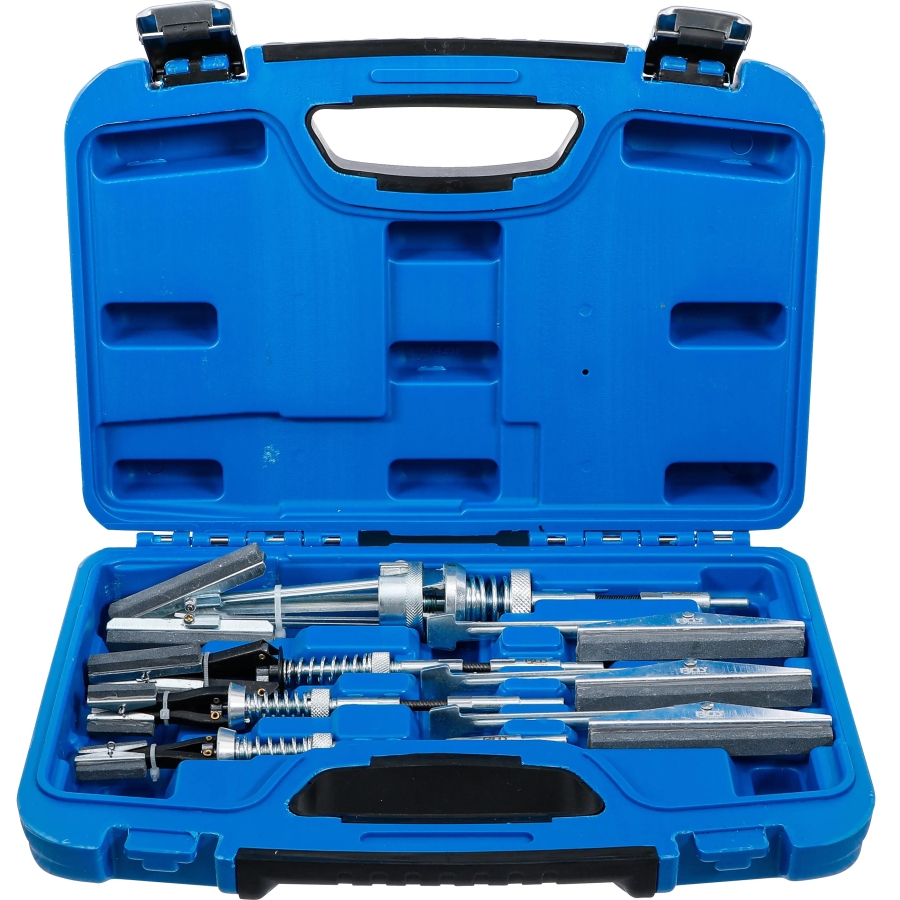
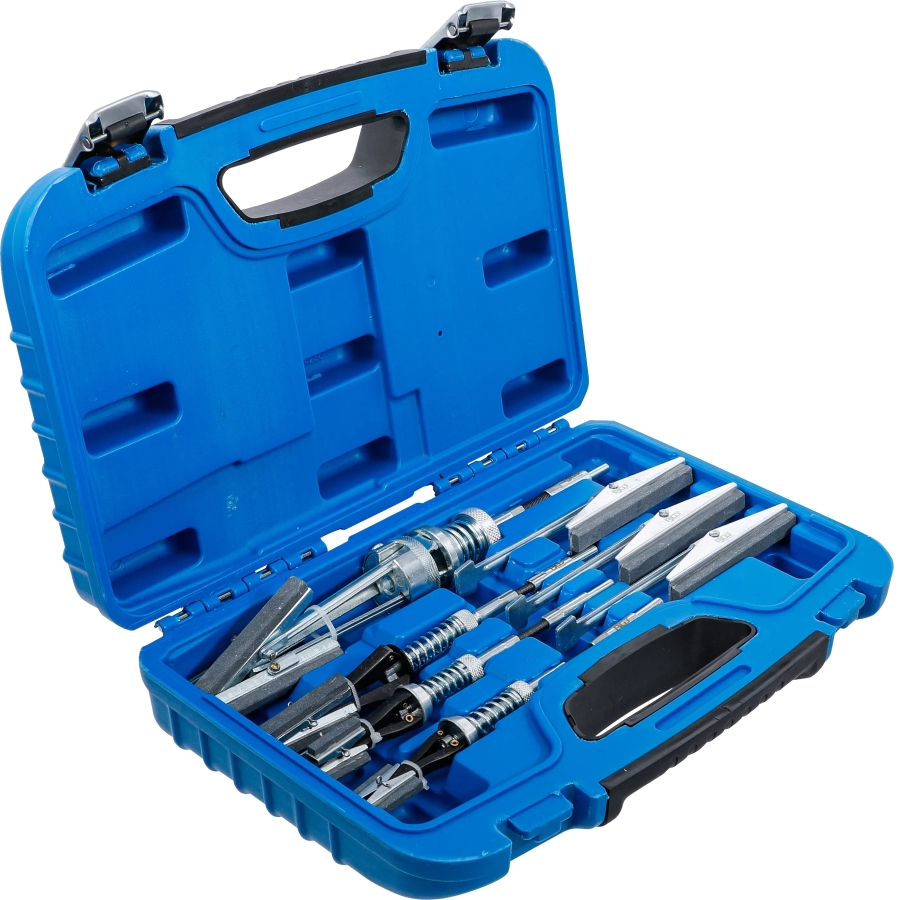
2- and 3-Arm Cylinder Honing Tool Set, K220, 7-Piece
-
Code:74238
-
Weight:1.934 Kgs
Overview:
✔ Four adjustable 2- and 3-arm cylinder honing tools
✔ Covers cylinder diameters from 20 to 175 mm
✔ K220 silicon carbide honing stones
✔ Suitable for electric and pneumatic drills
✔ Includes three 100 mm replacement honing stones

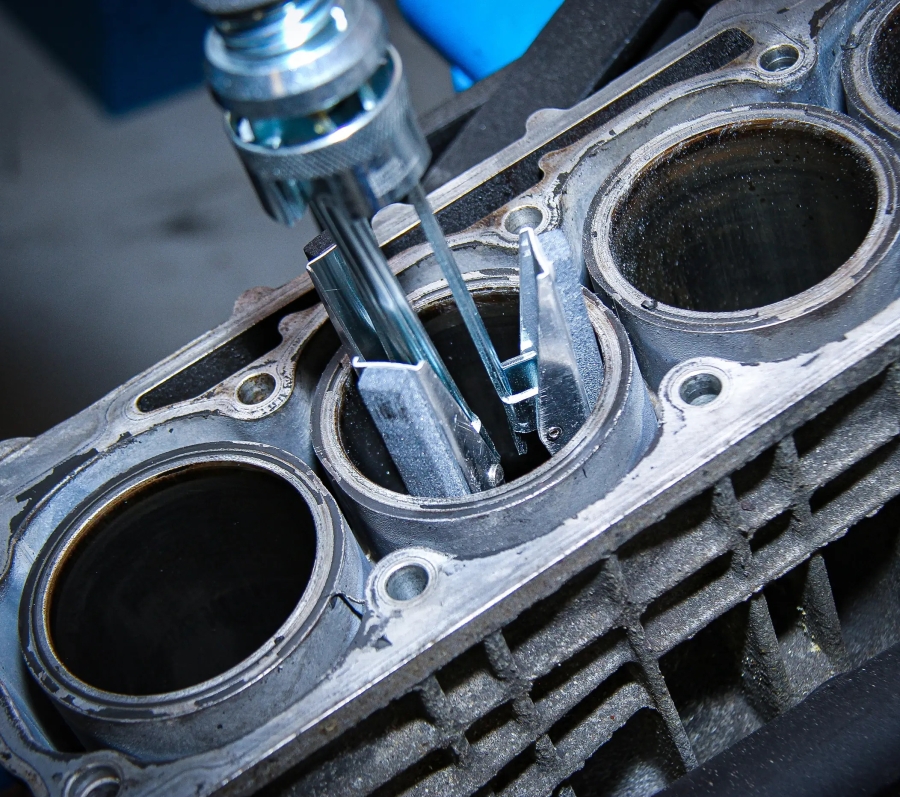
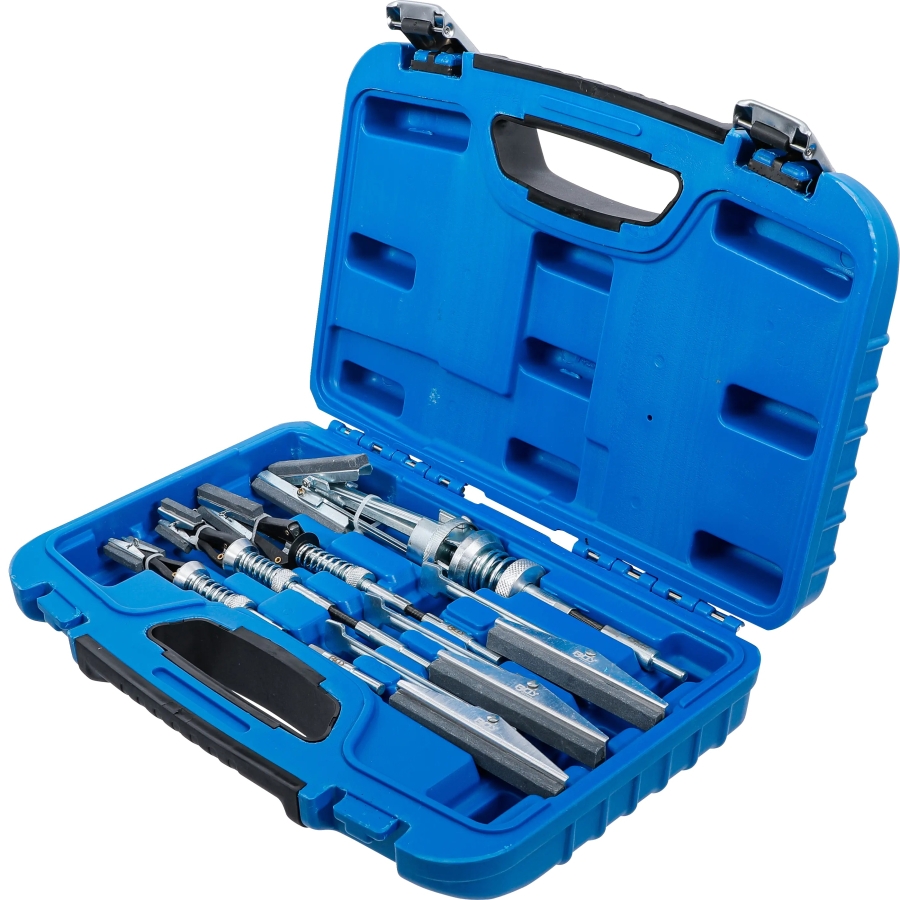
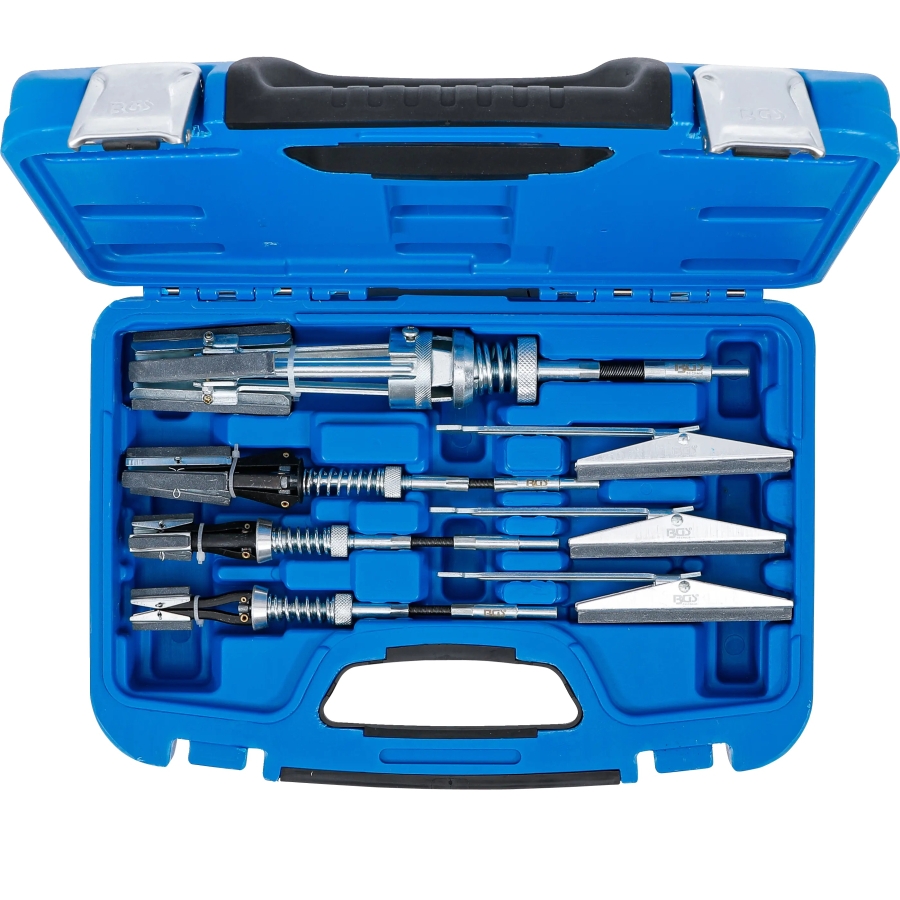
This honing tool set is designed for cleaning, resurfacing and preparing cylinder walls during engine overhaul work.
The tools are suitable for cylinders within the specified diameter ranges and can be operated with electric or pneumatic drills.
An adjustable spring preloads the honing stones and presses them evenly against the cylinder wall during operation.
Cylinder Surface Preparation
The tools are suitable for preparing cylinder bores before fitting new piston rings, as well as for deburring, final surface finishing and honing.
Honing produces an evenly finished surface with a high load-bearing contact area. It restructures the cylinder surface without increasing the cylinder diameter.
The resulting honing pattern provides the oil retention required on the cylinder wall.
Areas of Application
- Automotive manufacturing and engine repair
- Hydraulic cylinders
- Sanitary and heating installations
- Aerospace components
- General precision honing work
Use
The honing tools can be used with handheld drills, pneumatic drills and stationary machines.
The use of suitable honing oil is recommended during operation.
Technical Specifications
- Abrasive material: Silicon carbide (SiC)
- Grit: K220
- Maximum speed: 1,200 rpm
- Adjustable spring pressure
- Working range: Ø 20–175 mm
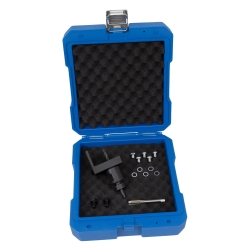
Scope of Delivery
- 1 x 2-arm honing tool with 28.6 mm (1-1/8″) stones, working range Ø 20–50 mm
- 1 x 3-arm honing tool with 28.6 mm (1-1/8″) stones, working range Ø 25–65 mm
- 1 x 3-arm honing tool with 50 mm (2″) stones, working range Ø 32–89 mm
- 1 x 3-arm honing tool with 75 mm (3″) stones, working range Ø 51–165 mm
- 3 x replacement honing stones, 100 mm (4″), for working range Ø 57–175 mm
First inspect the cylinder for signs of excessive or uneven wear, deep scoring and excessive piston-to-cylinder clearance. If any of these types of damage are present, the cylinder block must be rebored and fitted with an appropriate oversized piston.
If the cylinder walls are in acceptable condition, only the piston rings need to be replaced and the cylinder walls honed. This allows the new piston rings to bed in correctly and provide an effective seal during combustion.
The pistons must be removed before honing the cylinder walls and replacing the piston rings.
- Coat the cylinder wall with a low-viscosity oil. Special honing oil is commercially available.
- Throughout the entire honing process, ensure that honing oil does not reach the crankshaft, particularly the crankpin bearing surfaces.
- Secure the honing tool in an electric or pneumatic drill with adjustable speed.
- Compress the arms of the honing tool, insert the tool into the cylinder as shown in the illustration and then release the arms.
- Adjust the contact pressure of the honing stones by turning the knurled nut at the top of the shaft clockwise.
- Connect the drill to the power supply or compressed-air source.
- Apply plenty of oil to the cylinder wall to act as a honing lubricant, then switch on the drill. While the drill is running, move the honing tool continuously up and down inside the cylinder. Ensure that the cylinder wall remains liberally coated with oil throughout the process.
- Honing produces a fine crosshatch pattern on the cylinder wall. The lines should be at an angle of approximately 35°–45° to the horizontal.
- Use plenty of oil and remove as little material as possible while achieving the specified crosshatch pattern. Some piston manufacturers may specify a different crosshatch pattern; always follow the manufacturer’s instructions.
- Never remove the honing tool from the cylinder while it is rotating. Switch off the drill and continue moving the honing tool up and down until it has come to a complete stop.
- Compress all the arms of the tool and remove it from the cylinder.
WARNING: Thoroughly clean the engine block before reassembly. Ensure that no honing residue remains inside the engine block. After cleaning, coat the cylinder walls with engine oil to prevent corrosion.