





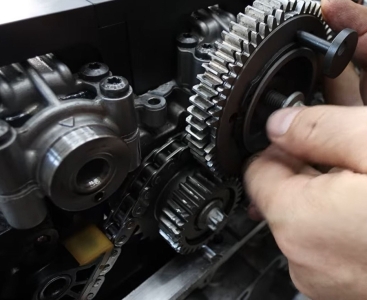
Pretensioning Camshaft Sprockets on Mercedes M256, OM654 and OM656 Engines
Modern Mercedes-Benz engines such as the M256, OM654 and OM656 use camshaft sprockets with an integrated backlash compensation mechanism. This design improves timing precision and reduces mechanical noise, but it also requires a specific procedure when the camshaft sprockets or camshaft housing are removed.
If the camshaft sprockets are removed without being locked, or if new sprockets are installed, the sprockets must be correctly pretensioned before installation. Skipping this step can lead to incorrect operation of the backlash compensation mechanism and may eventually cause damage in the cylinder head.
Why Do These Camshaft Sprockets Need Pretensioning?
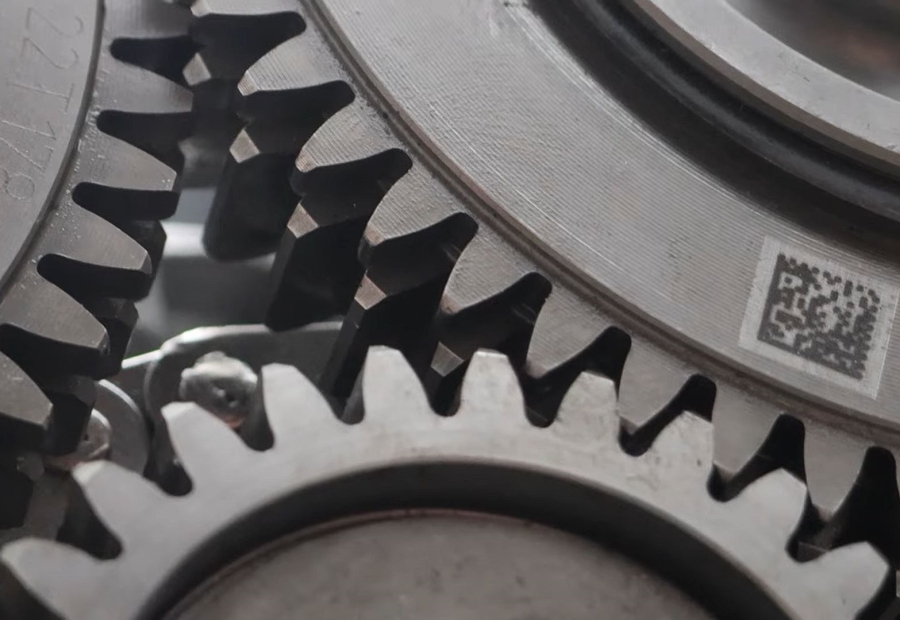
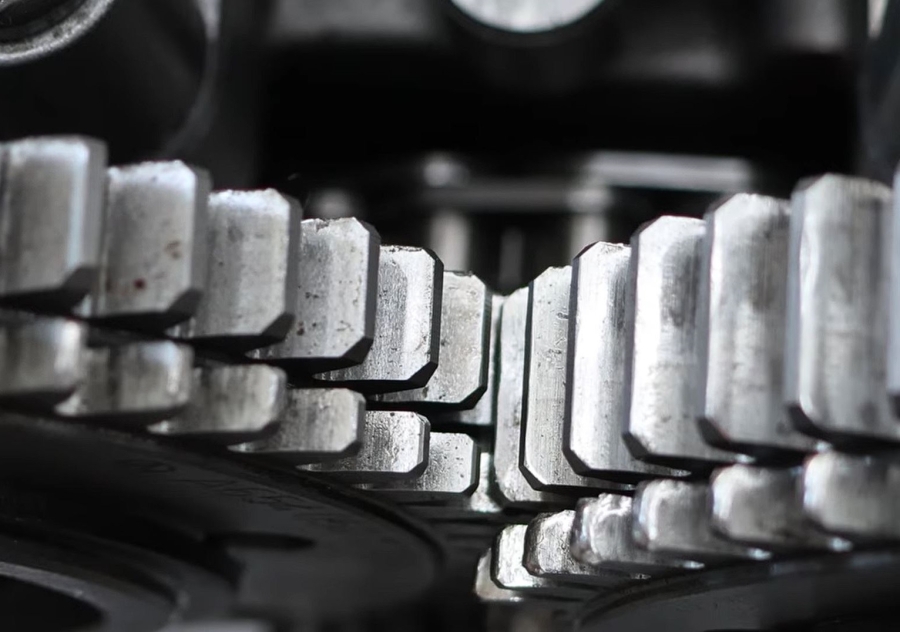
The camshaft sprocket is not a simple fixed gear. It consists of a main sprocket and a secondary pretensioned sprocket that can move slightly in relation to the main sprocket. A spring mechanism creates preload between the two parts.
This preload compensates for backlash between the tooth flanks. The result is quieter engine operation, more precise camshaft control and better contact between the timing chain and the camshaft sprocket.
Why Mercedes Uses This Design
The backlash compensation system reduces mechanical noise from the timing chain, helps maintain accurate camshaft positioning and reduces stress on timing components. After removal, the preload must be restored so the mechanism can function correctly again.
When Is This Procedure Required?
Pretensioning is required whenever the camshaft sprockets or camshaft housing are removed, or when new camshaft sprockets are installed.
- Removal of camshaft sprockets
- Replacement of camshaft sprockets
- Removal of the camshaft housing
- Timing chain or cylinder head repair work involving the camshaft sprockets
Important
Installing the sprockets without correct pretensioning can prevent the backlash compensation mechanism from working correctly. This can cause increased noise, incorrect gear contact, abnormal wear or damage in the cylinder head area.
Step-by-Step Procedure
The procedure is straightforward when the correct mounting tool is used.
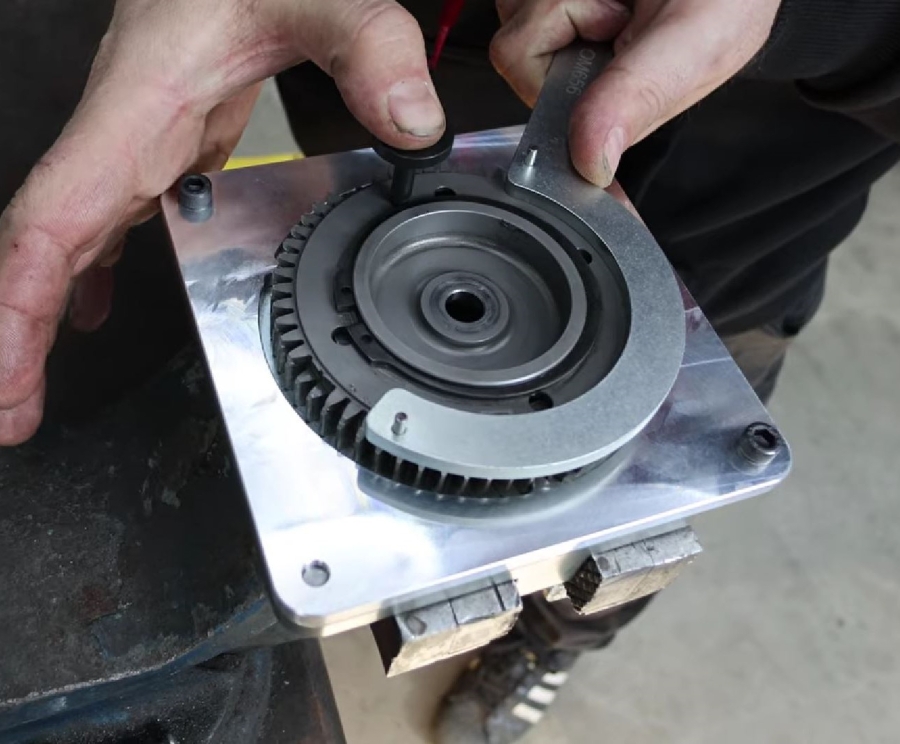
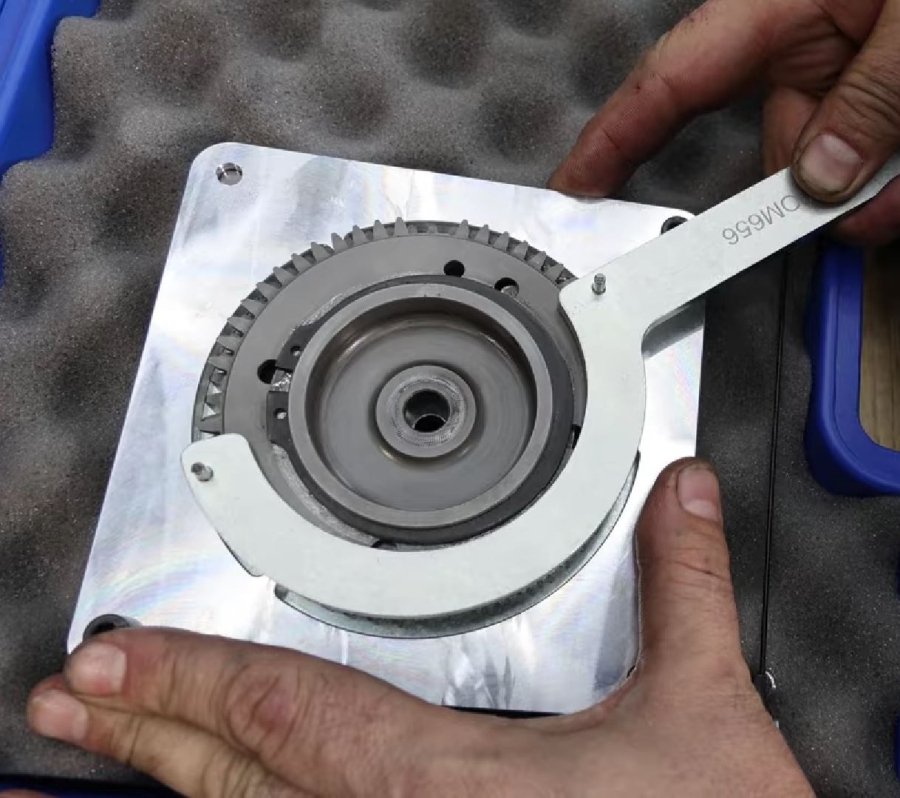
- Secure the mounting plate firmly in a vise.
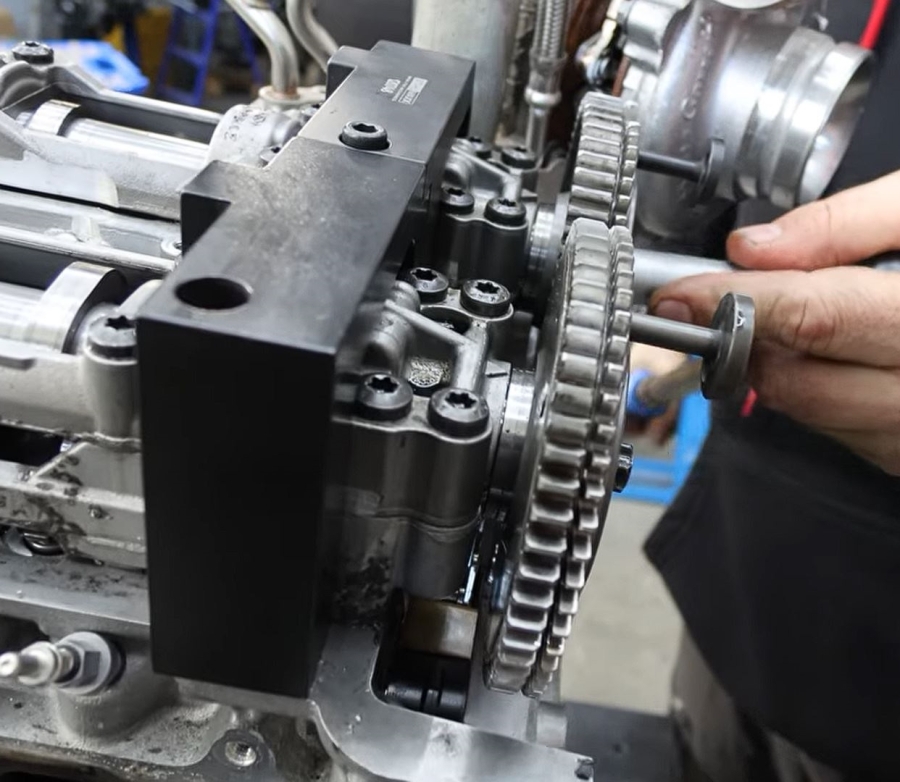
- Place the camshaft sprocket onto the mounting plate.
- Attach the adjustment lever to the sprocket.
- Rotate the sprocket until the locking hole becomes visible.
- Insert the locking pin to hold the sprocket in the pretensioned position.
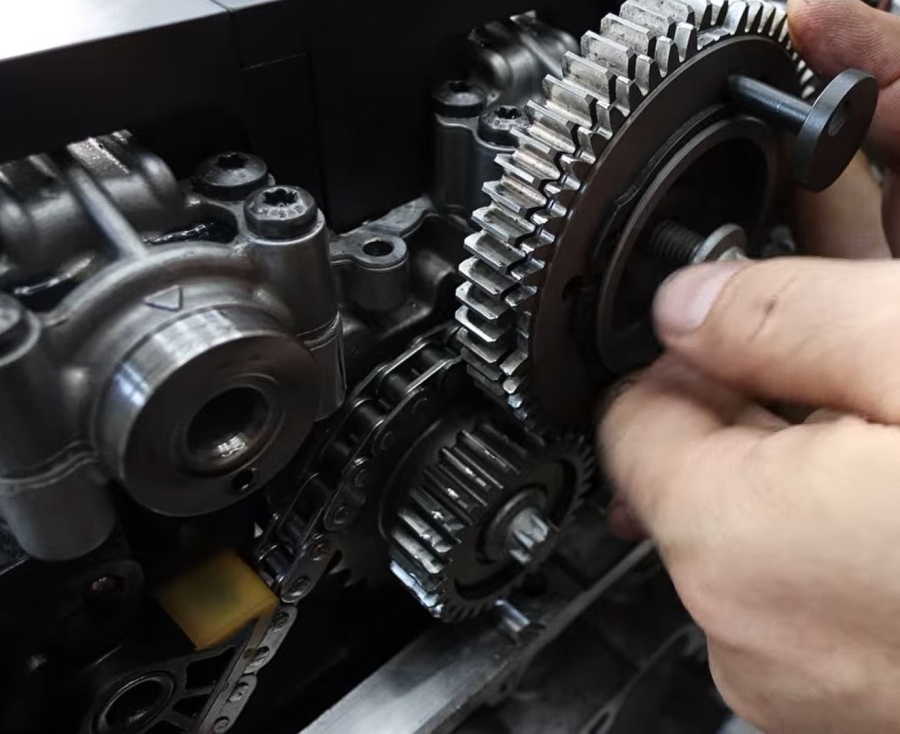
- Install the camshaft sprocket onto the engine while it is still locked.
- After tightening the fasteners to the correct torque, remove the locking pin.
Pay Attention to Thread Direction
During reinstallation, it is important to note that the intake and exhaust camshaft sprockets do not use the same thread direction.
| Camshaft | Thread Direction |
|---|---|
| Exhaust camshaft | Right-hand thread |
| Intake camshaft | Left-hand thread |
Always check the correct tightening direction before applying final torque.
Tool Used for the Procedure
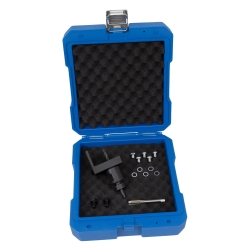
For this operation, a camshaft sprocket mounting tool is used as W654589003100 / 654 589 00 31 00. The tool allows the camshaft sprocket to be rotated, pretensioned and locked before installation on the engine.
Tool Components
- Mounting plate
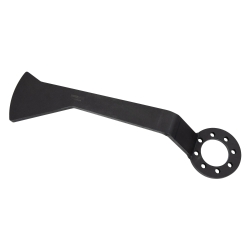
- Adjustment lever
- Locking pin
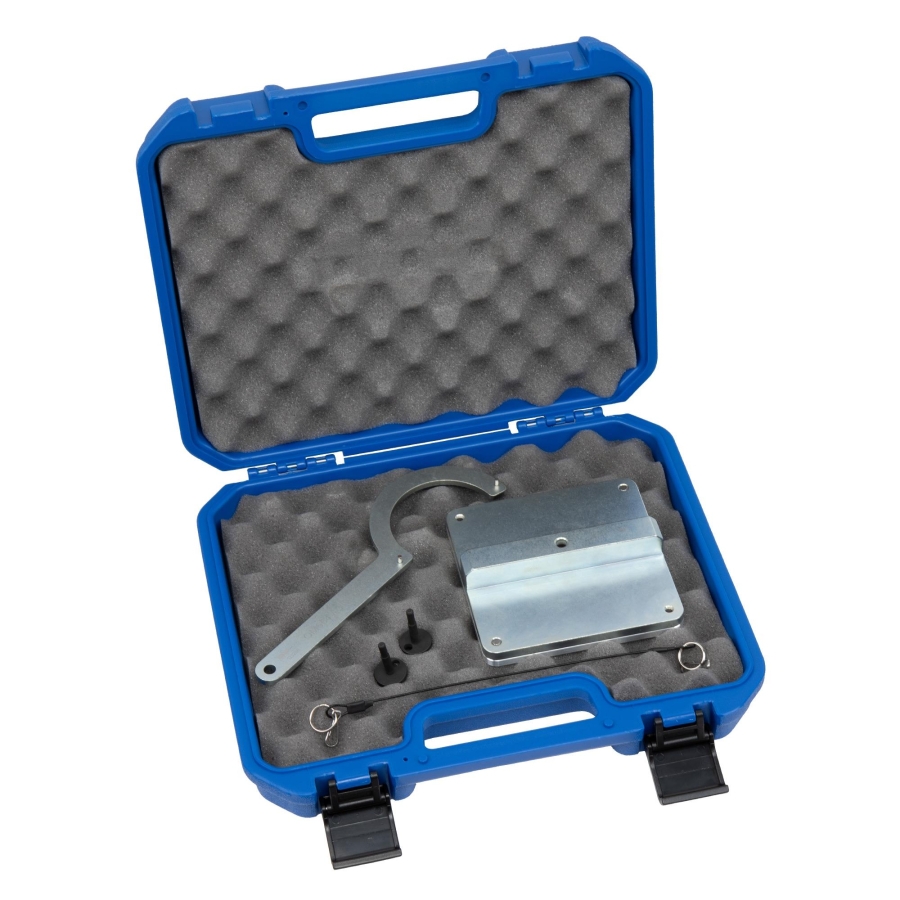
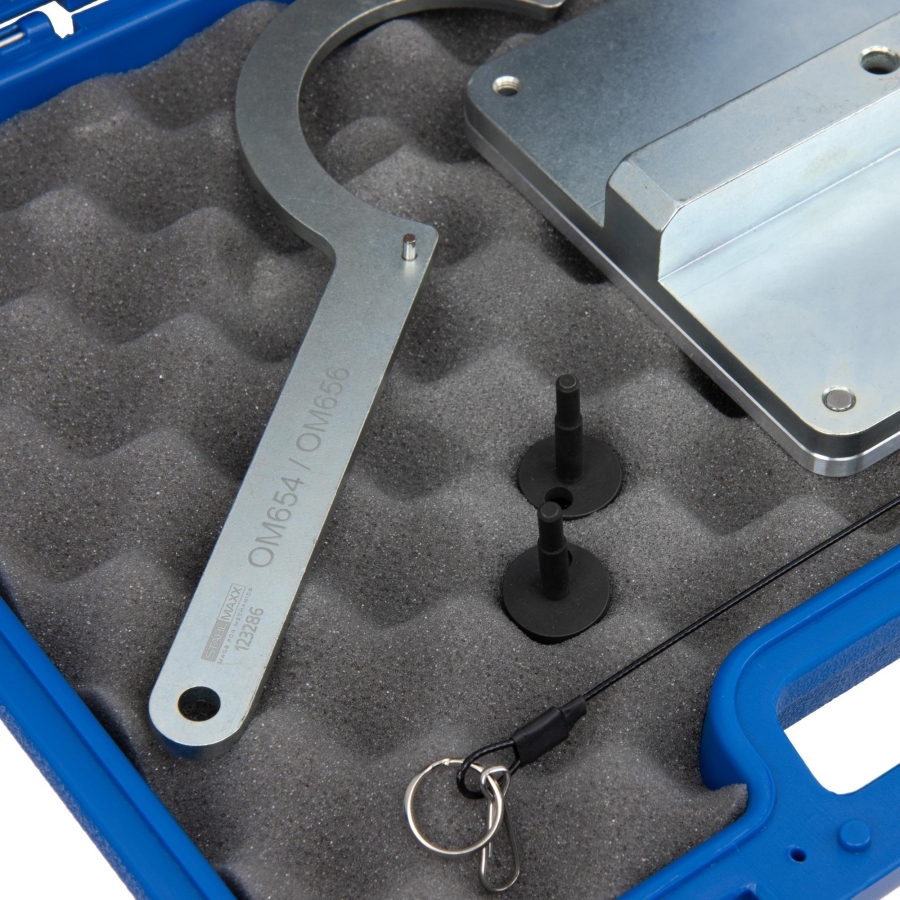
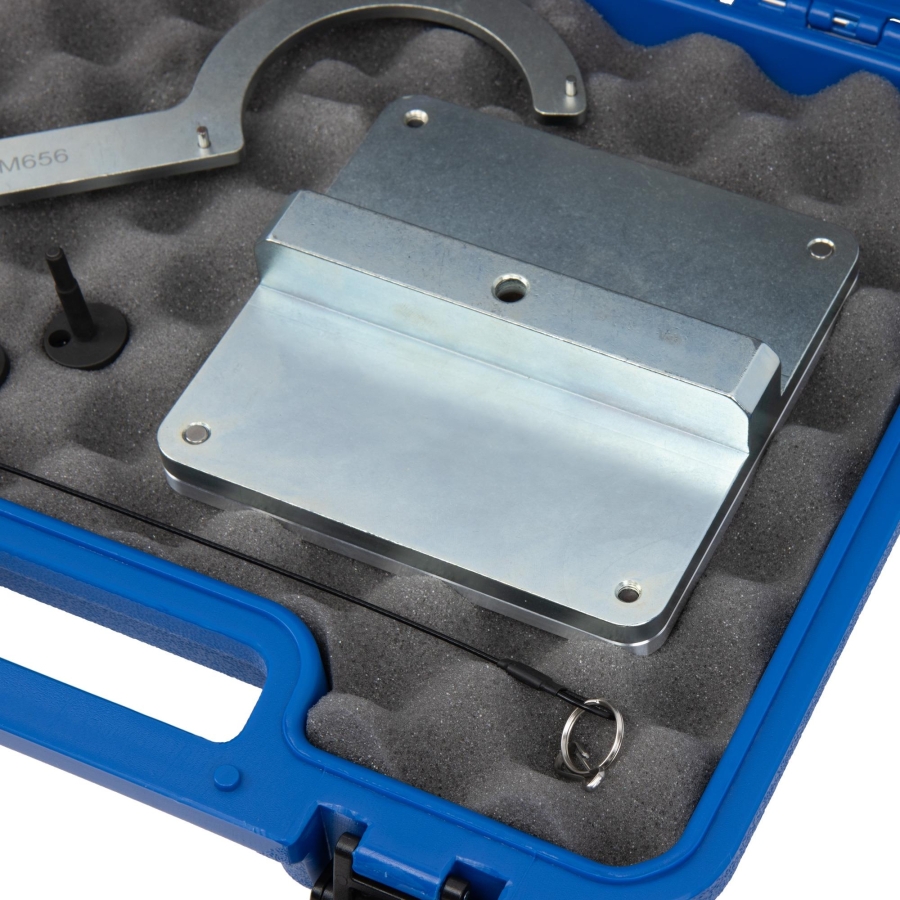
Product reference: Camshaft sprocket mounting tool for Mercedes M256, OM654 and OM656
Conclusion
Camshaft sprockets with backlash compensation are used to improve noise behavior, timing precision and component durability. However, this also means that the correct service procedure must be followed during removal and installation.
Pretensioning the camshaft sprockets before installation is a small but critical step. On Mercedes M256, OM654 and OM656 engines, it should not be skipped whenever the camshaft sprockets or camshaft housing have been removed.

Post comment